
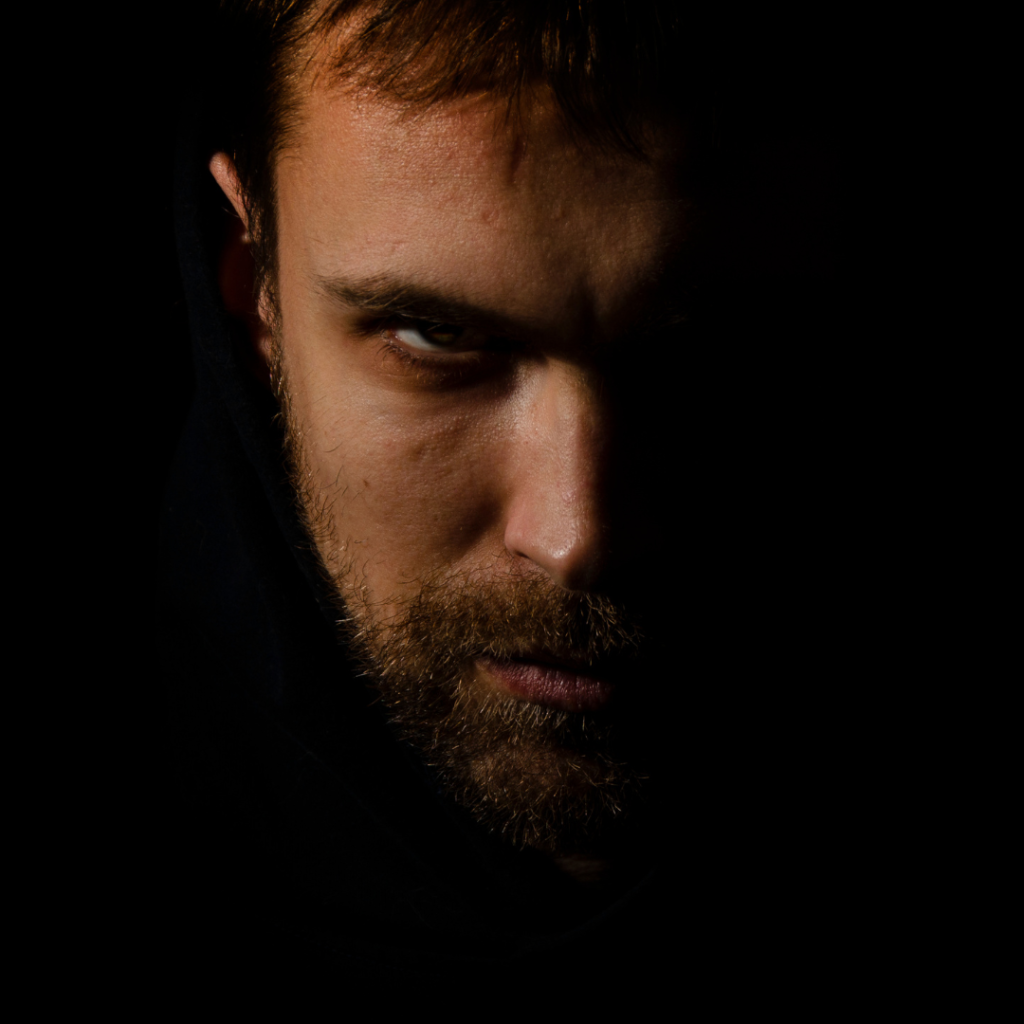
“Villains and heroes share a common origin in pain. The divergence lies in their response to this pain. A villain resolves to hurt the world in return for the pain they experienced”
– Anonymous
IntroDuction
I recently re-watched Guy Ritche’s Sherlock Holmes duology. Both movies are very enjoyable to me. They are quippy, action-packed adventures that take place in Victorian England. What more could a man want? Nothing quite like watching men dressed up as gentlemen throwing punches at each other.
As any good Sherlock story requires, there were, of course, villains. Two different villains for each movie. And while I loved both movies, the different effect the villains had on each movie was quite astonishing to me.
Lord Blackwood was the villain in the 2009 film. He sought to control parliament for himself utilizing science, disguised as sorcery, to terrorize people into awe. The 2011 sequel brought Professor Moriarty to the screen. He sought world domination by working behind the scenes to stoke political tensions and gain influence via his wealth.
Both are villains doing villainous things. Despite this, the 2011 film, in my opinion, felt much more tense. Like the stakes were higher. Not because Moriarty’s goals were larger, but he fit the story better.
Lord Blackwood was somewhat of a one dimensional villain. He wants control. He manipulates and lies. And while he drags Sherlock by his nose the entire film, there’s no chemistry between them. Sherlock is the good guy. Blackwood is the bad guy. That’s about it.
Professor Moriarty posed a narcissistic duality to Sherlock. They are basically trying to one-up each other the entire film using their intelligence. Whenever Moriarty gets the upper-hand, we’re genuinely worried that he may, in fact, beat Sherlock at his very own game.
The Purpose of Villains
Why bring all this up? The 2011 Sherlock Holmes was a much more engaging movie to me, because the villain was much more interesting. He had chemistry with the main character. He was a personal threat to Sherlock, as well as a representation of how someone could use the gift of an intelligence for evil – he was Sherlock’s alter ego.
Villains play a critical role in storytelling. They are not always necessary, but when a storyteller chooses to use them, they have to be used well.
Culturally, villains are some of our favorite characters. They’re bombastic, have style, and often hold an intriguing philosophy. We can’t help but be drawn to them. Perhaps they represent something that we all can resonate with, deep within ourselves?
Let’s explore their purpose and why we are drawn to them as characters:.
The Purpose of Villain: in Plot
The best villains are the catalyst for the story. Their presence and actions force the protagonists to respond. The Joker from The Dark Knight compels Batman to take action when he begins wreaking havoc in Gotham City. Sauron from Lord of the Rings forces our Hobbits out of the shire when he seeks the the ring. Even Mario is prompted into action when Bowser abducts Princess Peach.
Not only do the villains compel our heroes into action, but they are an exploration of the theme of the story. Lord Business from the The Lego Movie not only drives the plot forward, but is an exploration of the idea of control and order vs free will and creativity. Javet from Les Miserables views himself as the hero in his ruthless and heartless pursuit of the kind-hearted criminal, Jean Valjean. Dawn of the Planet of the Apes’ villain, Koba, is an exploration of how intelligent apes are just as likely to give into fear and anger as humans.
And finally, villains need to challenge our protagonists directly – their beliefs, their mind, their strengths. They exploit the protagonists’ weaknesses in order to get the advantage. And bonus points if the villain has a direct, personal tie with the protagonist, creating deep, emotional stakes. Lord Shen from Kung Fu Panda 2 has a relationship to Po the Panda, due to committing a panda genocide and won’t hesitate to exploit Po’s trauma to get an advantage. Darth Vader is (spoiler warning) Luke Skywalker’s father and uses this tie to tempt Luke in joining him on the dark side. Azula from The Last Airbender has a direct rivalry with her brother, Zuko, and knows how to provoke him to anger.
These are just a few villains, but all are extremely compelling ones because they all meet these three criteria to some extent, (maybe minus Bowser). They are a foil to the protagonist, while being a deeper exploration of the story’s theme, and forcing the story forward.
The Purpose of Villains: To ExplorE Human Nature
Most villains are larger than life characters. They would never exist in the real world. But we don’t care. That’s the fun of them. We’re not as concerned with realism as we are with their symbolic meaning. Fictional villains are a metaphor. Their bigger than life attributes are an exaggeration of what they stand for. We like this, because it makes them easy to understand.
Villains allow us to explore darker aspects of human nature in a relatively safe way. That’s not to say we should revel in what the villain is doing… but we do have a fascination. Not all villains are written to have wicked motivations. But nearly all villains have twisted means to get to the end they desire, even if well intended (think of Thanos or The Screenslaver). Fictional villains ask us the question of “how far is too far?” Villains cause us to turn inward and ask us questions about our own nature and morality.
And villains are emotionally cathartic. Witnessing them do their villainy things and behave in horrific ways kind of feels good sometimes. Of course, some villains are truly uncomfortable to watch. But even if we squirm a bit in terror, there’s a small part of us that enjoys it. It’s like villains are an outlet for us to feel emotions we would not allow ourselves to feel otherwise. Watching them take out their anger on the world or the protagonist is satisfying. And I don’t think that’s necessarily a bad thing. (But God forbid you take your rage out on someone like a villain would.) Allowing a fictional villain do it for you can be quite enjoyable though.
The Purpose of Villains: Summary
There are multiple types of villains in stories. Some are power hungry overlords. Some are manipulative serial killers. Others are abusive school teachers. There is no one right way to do a villain. They can have plans to destroy the world or are just be a bully. You can choose to make them sympathetic or write them as terrifying forces of nature. It boils down to what your story requires. What ideas and themes are weaving throughout your narrative. The villain you choose to write should contribute to this commentary. A villain like Sauron would have no place in Toy Story.
A villain must be a threat to our protagonist. They must be a threat to the theme of the story. If a villain isn’t a threat, then the story runs the risk of not being compelling enough. A weak villain won’t rival the protagonist in the way he ought. That’s not to say you should make your villain all-powerful. Be clever in your witting. Make the villain realistic for the world you have built. Design their power to specifically rival the protagonist. In Oliver Twist, the villains are mere men, but they are bigger and stronger than our child protagonist. They have no supernatural strength.
Whether you like it or not, villains tend to be our favorite element of a story. Part of that may be that we’re a depraved species, but the other part may be just the purpose of the villain. They provide opposing viewpoints, explore human nature out of control, and are often just enjoyable to watch. I don’t think that’s a sign of depravity as it so much a desire to know ourselves better. At some point, we have all come across a villain we can relate to. Let that be an insight into ourselves so we can change for the better, so you can become the hero you need to be.
Related Articles on the Purpose of Villains:
A Case Study on Writing Narrative Themes – The Storyboard
How to Tell a Compelling Story Through Acting – The storyboard
The Importance of the VillainMythic Scribeshttps://mythicscribes.com › Character Development
Stories Need Great VillainsStory Gridhttps://storygrid.com › Articles

Leave a Reply