
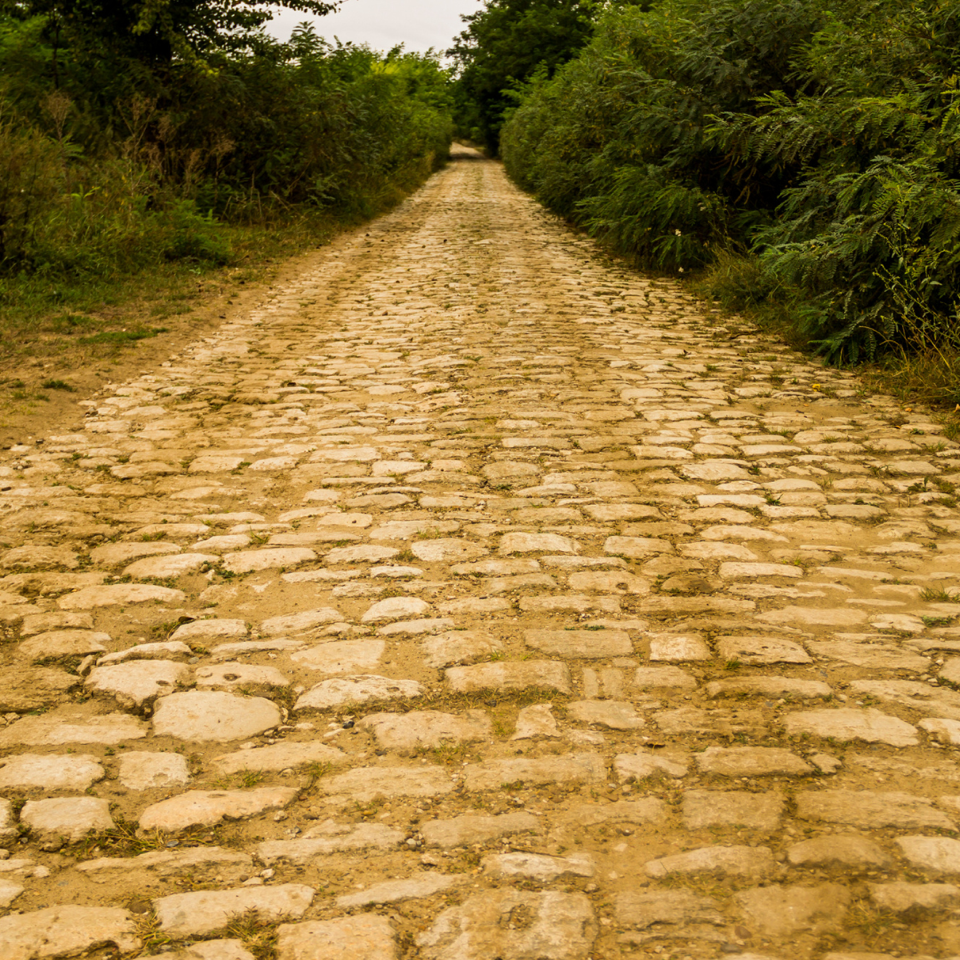
“To produce a mighty book, you must choose a mighty theme.”
— Herman Melville
Introduction:
Writing a theme is one of the most crucial elements for a good story. This is consistent across all storytelling mediums – books, movies, video games, theatre, etc. Themes hold a story together. They present to us an idea to be pondered throughout the story. A theme will ask us questions but not answer them explicitly. The leave us to answers those questions ourselves. Some of the greatest stories ever told have very powerful narrative themes. A few that come to mind are: The Lord Of the Rings, Frankenstein, and Pride and Prejudice. What make these some of the greatest stories ever told is that they have deep, resonant themes that stand the test of time. We are emotionally connected to stories because of their themes. So what happens when a story lacks a powerful theme?
When it comes how not to write a theme, look no further than Disney’s 2013 Oz the Great and Powerful. An abomination of a film if you ask me. (Perhaps calling it an abomination is a bit harsh, but I recently sat through over 2 hours of this slog, so the wound is still fresh.) Aside from every aspect that made this film “technically” terrible, was its utter lack of fleshed out themes. The writers certainly tried writing themes, but there were completely lost. There was nothing to connect to emotionally.
Now let’s look at another Oz adaptation: Wicked. I have only ever listened to the musical and watched the first part of theatrically released film (I will get around to the second part). I didn’t love Wicked: Part 1 for many reasons, but, upon watching Oz: the Great and Powerful, I would re-watch Wicked: Part 1 any day. The reason for that? It has emotionally tying themes that carry us through the story. Does it execute them perfectly? Maybe not. But the contrast between the two films to me was stark.
As we explore writing a narrative theme, I will breakdown what a theme is, how one film did a good job at it, while the other did not.
Writing a Theme: What is a Theme?
Let’s begin with breaking down what a theme isn’t: It’s not a plot point for the story (it is the why behind), not a topic (such as “revenge,” “grief,” or “love”), and it’s not a moral lesson (don’t do drugs and stay in school). Now that we have that out of the way… what is a theme? A theme is an idea. It provokes thought but does not provide a clear answer. It ties the beginning of the story with the end of story. There’s usually a tension in the plot that comes from it. And finally, it causes the main protagonist to grow. Examples of themes may include “The corruptive nature of power,” “Friendship can overcome any evil,” and “Are intelligent apes better than humans?” The last one is my favorite. Writing a theme should be an exploration of a topic.
At the beginning of one of my favorite movies: Dawn of the Planet of the Apes, our intelligent ape characters are living peaceful lives and strictly by the principals they have set up for themselves. They see themselves as better than the humans who used to rule the earth. And then one day, they meet some humans. What follows is an intense conflict among the apes about how to react to the presence of humans. Should they seek peace? Should they go to war? Tension grows throughout the story as the different ape groups cannot agree. Eventually, it culminates into the apes devolving into behavior they had thought they were above, and they come to realize they were not so different from humans after all. I love this film as an example of a narrative theme because it’s crystal clear beginning to end. Are intelligent apes better than humans?
Writing a narrative theme should cause tension in the story. Conflict should arise because of it. Without a theme, there is no emotional stake. A story can’t rely on the “end of the world” trope to get us to care. We need to resonate with the struggles the characters are going through.
The Narrative Themes of Wicked:
A quick google of the themes of Wicked includes topics like: How rivalry can become friendship, the difference between searching for acceptance and belonging, and how wickedness can often be a matter of perspective.
Wicked’s themes are woven throughout the story because they are all tied to our primary character, Elphaba. Because of her green skin, she is an outcast. She wants to be accepted, but people shun her. Glinda shows particular animosity towards her. But as the story progresses, a simple act of kindness between the two sparks the beginnings of a deep friendship.
When Elphaba stands up against injustice and cruelty towards groups that are marginalized, like herself, she learns the importance of embracing who she really is. She learns about the importance of belonging over being accepted. This leads to her being perceived by the general public as “wicked” for her defiance against authoritative powers.
There are more themes in Wicked of course. But the ones outlined above tie together quite nicely in the writing. They compliment and build upon each other. They have us leaving the story thinking: Has this played out in history before? Have I ever marginalized someone before? Am I marginalized? Is there anyone in our lives we show animosity towards that we could lend a kind hand to? Writing a theme should have the desired outcome of prompting questions. It doesn’t give us exact answers. It leaves open ended questions for the audience to hopefully enrich their lives.
The Not-So Narrative Themes of Oz: The Great and Powerful:
Google implies the following as the themes of Oz: The Great and Powerful: How becoming good over great leads to true happiness, the power of belief through deception, and how friendship and teamwork can overcome evil.
Now all of these themes are fine on paper and the movie tries to use these themes to hook us emotionally. But does it work?.
Oz, our protagonist, is a bit of an egotistical play-boy at the beginning of the story. He’s a magician who makes a living off of decepting people. Oz desires to become a great man – namely, he wants to be rich. (He’s also a real jerk to his assistant.) So overall, not a great guy. Then he gets swept away into the land of Oz. There he is told by everyone that he is the long awaited for wizard promised of in an ancient prophecy. Riches await for him but in order to obtain them, he must kill a wicked witch. This “wicked” witch ends up being the good witch Glinda. Everyone in Oz has been mislead by the real wicked witches living in the Emerald City.
Along with some friends, Oz and Glinda plot together to take back the kingdom of Oz from the wicked witches, and with some faith, trust, and pixie dust, they succeed. At the end, Oz pulls off the greatest trick, pretending to die, then coming back as an unstoppable wizard. Then he proceeds to rule the land of Oz in this deception.
To be fair, there are some themes that tie the story together, but there are a couple of things I experienced as an audience member. I didn’t care a tad bit more for Oz at the end of the story than I did at the beginning. There was never any emotional tension. And I certainly didn’t come away thinking about any of the themes. The themes weren’t exploring ideas or challenging us as the audience so much as re-hashing cliche tropes. It felt hollow. There was nothing about it that enriched my life. The story felt more focused on getting us from point A to point B then taking time to flesh out its deeper ideas and ask questions. The themes existed merely by happenstance and not careful consideration.
Conclusion: What did we Learn?
So, what did we learn about writing a theme? While both films technically had themes, one has had a much bigger impact on audiences globally. A theme has to be the heart of a story – it gives it a soul. If a theme exists as a byproduct of a story and not the catalyst, it’s tends to feel hollow. One could argue that any and all stories have a theme. But a theme must tie all facets of the story together. Your story can’t be purely about entertainment if you want it to stick around in the minds of your audiences for good.
When you sit down to write a story, you don’t have to have your themes perfectly fleshed out. But I do suggest having some idea of a theme before you begin, because that will influence the emotional beats of the story. Have a plan, but hold it loosely and allow it to morph as the story progresses and ideas come. Focus on how it creates tension in the story and how it compels your characters to make choices. Think about the sorts of questions you want your audience to ponder coming away from your story. You don’t want to lecture your audience. You want them to make conclusions and ask questions of their own accord.
What if you’re the audience member and want to identify narrative themes better? Ask yourself about what caused tension in the story. What were the conflicting ideologies between the characters? How did he protagonist grow as a character? What sort of questions do you ask about yourself and the world when the story is over? Did any of the emotional beats stand out to you and why? What resonates with you? What made you uncomfortable? These are a few prompts to help you identify the theme of a story. Part of what you make out to be the theme is up to interpretation. Your own experiences shapes your perspective and how you will view the story and the theme behind it.
Take these ideas about narrative themes and go write yourself some theme-filled stories!

Leave a Reply