
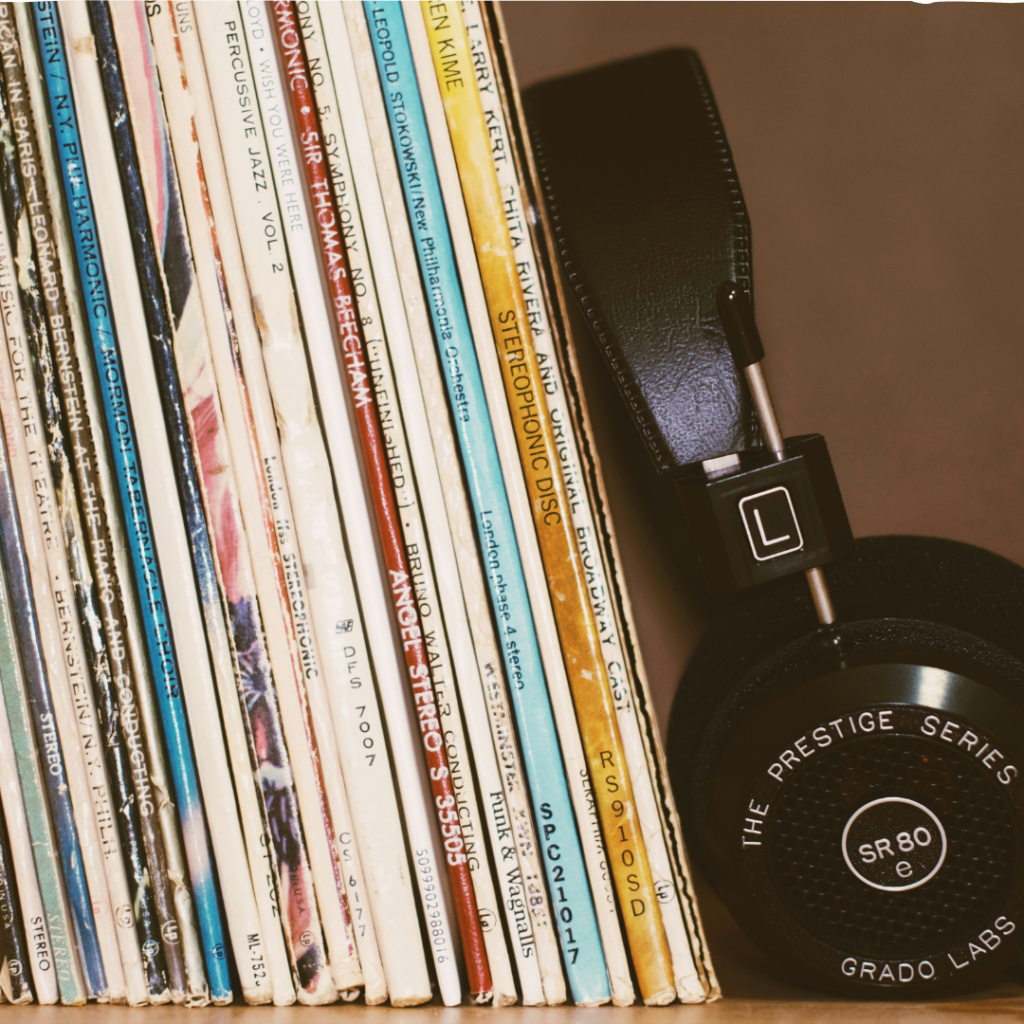
Six storytelling media will be ranked for nostalgic powers. This includes: Books, Video-Games, Theatre, Movies, Oral Storytelling (Podcasts & Radio), and Music.
What will reign as the most nostalgic storytelling format? The answer may surprise you – it certainly surprised me! But before we begin: let’s establish my premise:
Introduction
Nostalgia is a powerful, emotional feeling of sentiment and longing for the past, often associated with a place, smell, or memory. Certain media platforms seem to have a more dramatic effect on being able to conjure up these feelings for people.
Going into this, I had a hypothesis that the more “subjective” a certain storytelling format is, the more nostalgic it would be. The less it tells or shows us objectively about the story, the more we project our own experiences onto it. (Think of the difference between a movie and a song. A movie is more objective in nature, because it’s trying to tell you a story through sight and sound, whereas a song only uses sound.) This means we have more freedom to interpret the story how we want, and the more nostalgic it becomes.
Let’s find out how well this hypothesis holds up!
6. Theatre
Starting in last (but not least!) place is Theatre.
Theatre has existed for a long time and is filled with a rich history. Some of the greatest and most iconic stories recognized globally come from theatre. But when reflecting on the storytelling mediums that hold a special place in our hearts, especially culturally, it doesn’t seem that there is much discussion around the nostalgia for it. Theatre is very objective as far as how it ranks for storytelling. While we can subjectively interpret the deeper meanings of the story, it as a format engages multiple of our senses (sight, ears, touch, smell). This makes theatre more of an experience. The results of this? It’s the one we can least insert our own experiences into.
5.Oral Storytelling
Next up (you’ve guess it!) is Oral storytelling – which includes Podcasts and Radio.
Podcasts are the new and trendy thing these days. Everyone has a podcast. But in consideration, they are a relatively new development so they haven’t had much time to build up a nostalgic culture around them. The Radio has been around much longer and there definitely seems to be a stronger sense of nostalgia towards it. Radio has also played an important role in times of crisis or tragedy for us as a nation. But its relevance has slowly faded away over the years.
Oral storytelling seems to be less about the story itself, and more about the experiences surrounding it. We have more nostalgia for the storyteller than the story itself. This draws our attention away from inserting our own meaning and experiences into it.
4. Movies/TV
I’m somewhat disappointed that movies are this far down the list.
Movies/TV are certainly nostalgic for us culturally. Movies are a big deal. Some of the most iconic moments from stories that we can think of come from movies. They hold a very special place in our hearts. But I think that most of us will agree that movies ere more towards the side of an objective experience. While we can relate to the story and characters in a movie, the ability to insert oneself as the protagonist isn’t as direct as others. There’s limited availability to use your imagination to interpret the story.
That’s not to say movies aren’t nostalgic and subjective. Most passionate filmmakers will tell you that they are, and I agree with them. It’s just that some other media has the upper hand in the fight for our subjective interpretation.
3. Books
Here we’re beginning to enter a new category of storytelling formats.
Books are the most subjective storytelling media so far on the list. While there is a tangible experience of holding a book and sitting somewhere to read it, what’s within the pages is untouched.
Books require the most imagination from us to picture the world and characters as we read it. Often times, we find ourselves inserting elements of our own lives into the story. The author does tell us how the story progresses, but there is enough empty space in that for our minds fill in the remaining details.
2. Music
I’m honestly surprised music is not first place.
I think music is the most subjective art form there is. It has a unique ability to hold memories for us, like a time capsule. Songs transport us back to different seasons of our lives. Music acts as the soundtrack our experiences, therefore, we have the most emotional ties to it. We only have to use our ears to enjoy a song, and then our imagination conjures the rest of vivid scene.
Music, while being subjective, is a shared experience a well. It holds both our individual experiences but also shared cultural experiences through changing with the eras. I think because music has changed so much, it, once again, is like a time capsule, and holds memories associated with various eras, making it not just individually nostalgic, but culturally nostalgic.
1. Video-Games
If I was honestly surprised that music was not first place, I am even MORE honestly surprised (emphasis on the honestly part) that video-games were first place.
Using my hypothesis, I would have put them closer to the bottom of the list. They are pretty involved. You’re required to use your hands, eyes, and ears to engage with them. They certainly don’t seem subjective like music at surface level. And yet, I think they do fit into my hypothesis to some degree.
I’ve talked about inserting yourself as the main character or relating to a story, and the less you have use your senses to take in information, the easier of a time you can do that. Well, it seems that video-games have an interesting twist on this. In one way, you are directly putting yourself into the narrative by playing the main character.
The main character doesn’t necessarily feel anything. Any feeling it has you are literally projecting onto it as you feel the joy, frustration, or stress of making your way through the game. So yes, you ARE the protagonist. The game is literally an extension of you. The investment you put into a game is more intense compared to other formats, because you have a desire to succeed as the main character. You’re not rooting for someone else to succeed. It’s you who wants to succeed.
conclusion
At the end of the day, whatever is most nostalgic media is really up to an individual. There’s no right or wrong answer. Definitely consistent trends to be considered, though.
Another thing one might think about is how a storytelling format’s repetitive nature could play into whether something is more nostalgic. Interestingly, I think as you go down the list, you find that the various mediums become more possible to experience on a repeatability level. You can watch movies more than you can watch a play, you can listen to music more than you watch a movie, and video games tend to be repetitive as you often find yourself having to start over again and again.
Does my original hypothesis hold up? Somewhat, I think. It does seem the more we can insert ourselves into the stories, the more nostalgic it tends to be.

Leave a Reply